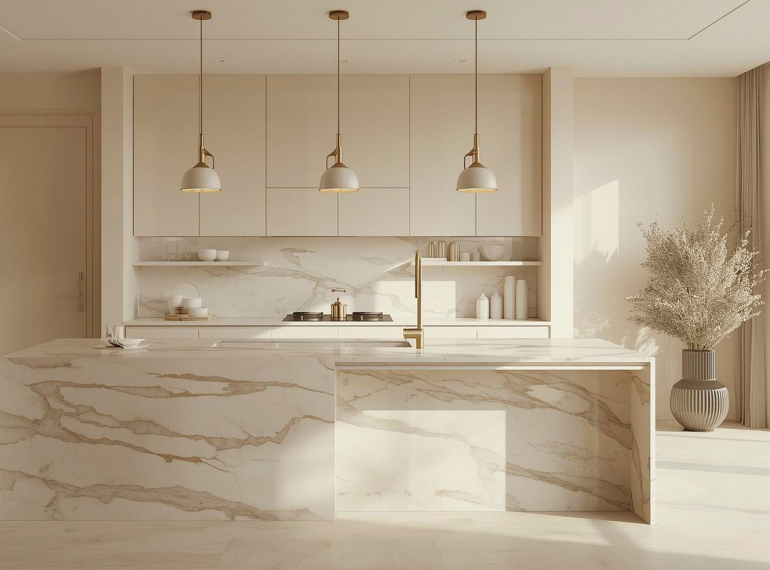
Common Artificial Marble Installation Mistakes and How to Avoid Them

Artificial marble is a popular choice for modern residential and commercial interiors because of its elegant appearance, versatile designs, and practical applications. It is commonly used for flooring, wall cladding, kitchen countertops, bathroom vanities, and decorative surfaces. However, improper installation can affect its appearance, durability, and overall performance. Understanding common artificial marble installation mistakes can help homeowners, contractors, and interior designers achieve a smooth and long-lasting finish.
1. Poor Surface Preparation
One of the most common mistakes is installing artificial marble on an uneven, dusty, or unstable surface. An improperly prepared base can lead to uneven finishes, poor adhesion, and cracks over time.
How to avoid it: Ensure the installation surface is clean, dry, stable, and level before beginning. Remove dust, grease, and loose materials, and correct any uneven areas according to the manufacturer’s installation guidelines.
2. Using the Wrong Adhesive
Not all adhesives are suitable for every type of artificial marble or installation surface. Using an incompatible adhesive can result in weak bonding, discoloration, or tiles becoming loose.
How to avoid it: Select an adhesive specifically recommended for the artificial marble product and the intended application. Consider the installation environment, substrate, and moisture exposure when choosing the bonding material.
3. Incorrect Measurements and Cutting
Inaccurate measurements can lead to uneven joints, visible gaps, material wastage, and poorly aligned edges. Incorrect cutting may also damage the artificial marble surface.
How to avoid it: Measure the installation area carefully before cutting. Double-check dimensions, plan the layout, and use appropriate cutting tools operated by trained professionals to achieve clean and accurate edges.
4. Ignoring Expansion and Movement Requirements
Changes in temperature and movement within the building can affect installed surfaces. Failing to provide the appropriate movement joints may cause cracking, lifting, or separation in some installations.
How to avoid it: Follow the manufacturer’s recommendations and relevant installation standards for movement and perimeter joints. The requirements may vary depending on the product, substrate, and installation location.
5. Uneven Alignment and Incorrect Spacing
Misaligned artificial marble tiles or inconsistent joint widths can reduce the visual appeal of the finished surface. Even premium materials may look unattractive when installed without proper alignment.
How to avoid it: Plan the layout before installation and use suitable spacers, levelling tools, and alignment methods where appropriate. Check the alignment regularly throughout the process to maintain a consistent finish.
6. Neglecting Waterproofing in Wet Areas
Bathrooms, shower areas, and other moisture-prone spaces require suitable waterproofing measures. Installing artificial marble without addressing moisture protection can contribute to water damage in the underlying structure.
How to avoid it: Ensure the substrate and wet-area waterproofing system are properly prepared before installation. Use compatible materials and follow the recommended installation procedures for the selected artificial marble product.
7. Improper Handling and Transportation
Artificial marble panels and slabs can be damaged during transportation, lifting, storage, and installation. Scratches, chipped edges, and cracks may occur if the material is handled incorrectly.
How to avoid it: Store the material according to the manufacturer’s instructions and use appropriate lifting equipment and protective supports. Inspect every slab or tile before installation to identify any existing defects.
8. Skipping Proper Sealing and Finishing Requirements
Some artificial marble products require specific finishing treatments, while others are designed to be installed without additional sealing. Applying unsuitable sealants or skipping a required treatment can affect the surface finish and maintenance requirements.
How to avoid it: Check the product specifications before applying sealants, polishing compounds, or other finishing products. Use only compatible treatments recommended by the manufacturer.
9. Using Harsh Cleaning Products After Installation
Strong acids, abrasive cleaners, and unsuitable chemicals may damage certain artificial marble surfaces or affect their shine. Aggressive cleaning immediately after installation can also interfere with adhesives or grout that have not fully cured.
How to avoid it: Allow adhesives and grout to cure for the recommended period. Clean the surface using a soft cloth, a suitable cleaner, and the care instructions provided for the specific product.
10. Choosing Inexperienced Installers
Even high-quality artificial marble can produce disappointing results when installation is carried out without the necessary skills or equipment. Poor workmanship can lead to visible joints, damaged edges, uneven surfaces, and unnecessary material waste.
How to avoid it: Choose experienced installers who understand the specific artificial marble product and its installation requirements. Review previous projects and confirm that the team uses appropriate tools, adhesives, and finishing techniques.
Proper artificial marble installation requires careful planning, accurate measurements, suitable adhesives, correct surface preparation, and professional workmanship. Avoiding common mistakes helps achieve an attractive finish while reducing the risk of damage, repairs, and additional costs. Whether you are renovating a home, designing a commercial space, or managing a construction project, selecting the right artificial marble and following the manufacturer’s installation guidelines are essential for achieving reliable results.
Looking for artificial marble solutions for your next project? Choose quality materials and professional installation practices to create beautiful, functional, and long-lasting interiors.